Latest posts by James Ellis (see all)
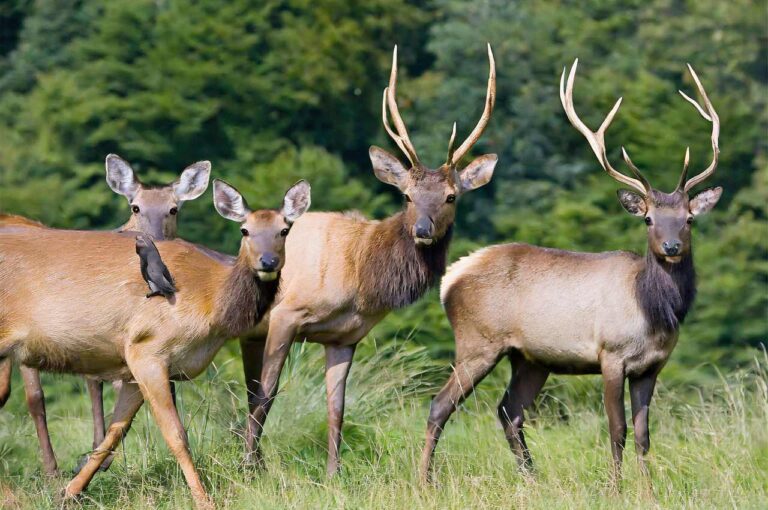
When it comes to impressive antlers, deer species showcase a wide range of sizes and complexities. These antlers not only serve as a striking visual display but also play a crucial role in indicating a male deer’s health and fitness. Let’s dive into the world of antlers and explore which deer species boast the largest antlers.
Content Highlights
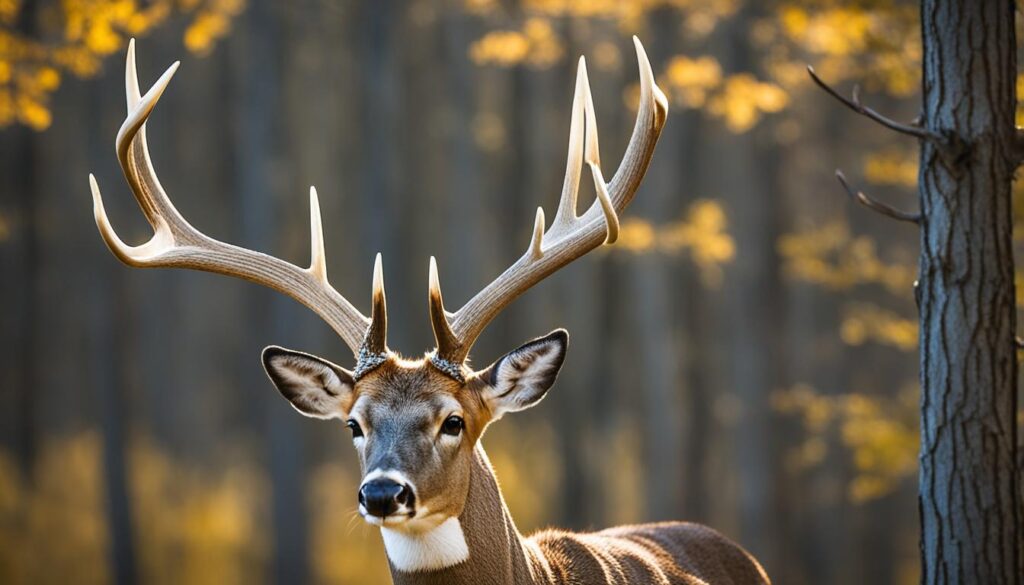
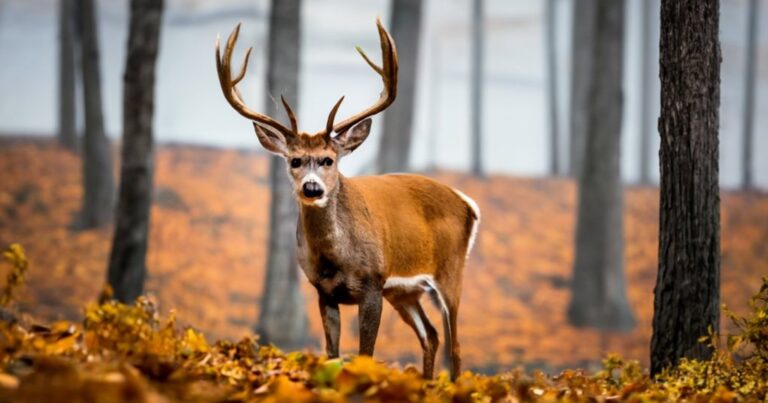
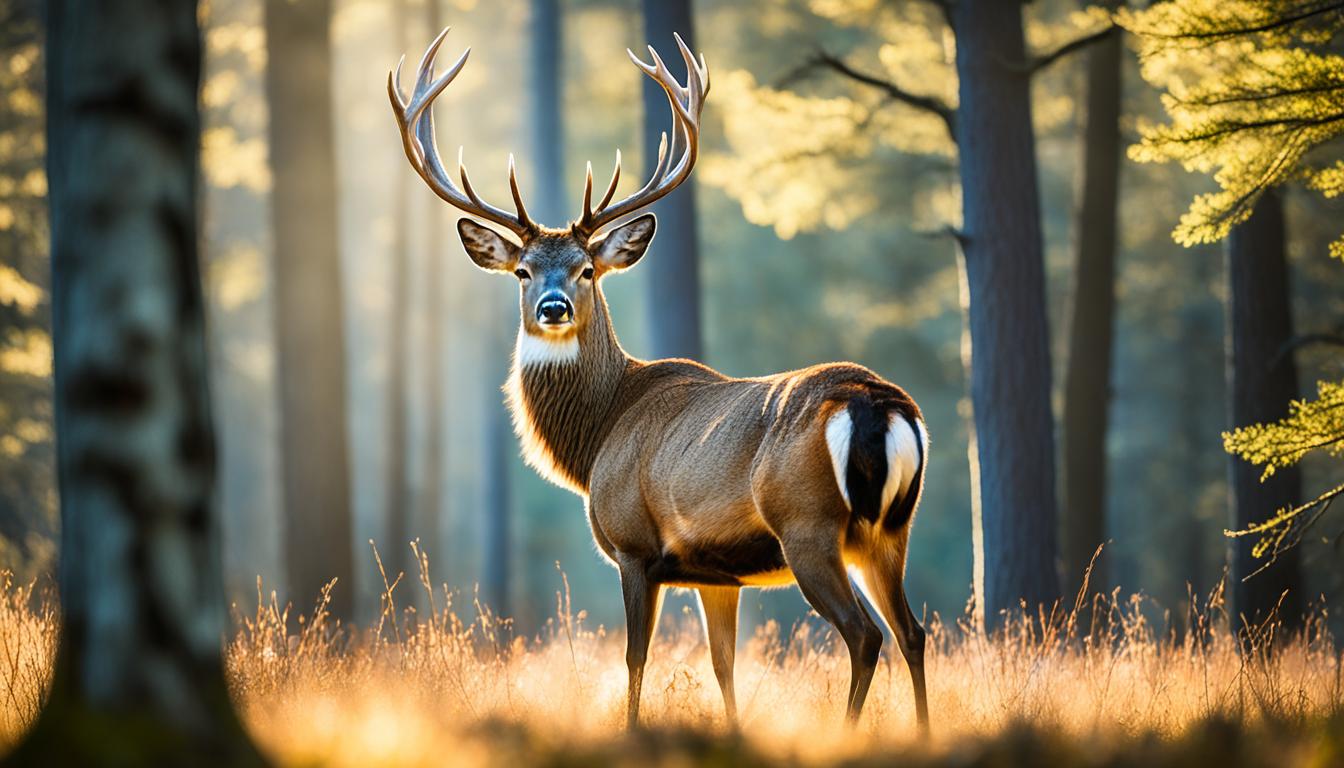
ToggleWhen it comes to hunting for big antlers, whitetail deer are often a top choice for enthusiasts. Male whitetail deer boast impressive bifurcated antlers, typically split into two main branches. These antlers are shed and regrown annually, with each new set growing slightly larger than the last.
The growth pattern of whitetail deer antlers starts in the spring, when they are covered in a soft velvet-like substance. During this time, the antlers are nourished with blood vessels that help them grow rapidly. As the summer progresses, the antlers continue to develop and gain complexity.
By the time the fall rutting season arrives, the antlers have hardened and are fully formed. This hardening process prepares the male deer for combat and competition. Whitetail bucks use their antlers to establish dominance over other males and attract females during mating season.
Hunting for whitetail deer antlers is popular among those seeking a challenge and the opportunity to harvest a trophy. The beauty and size of whitetail deer antlers make them highly sought after by hunters and collectors alike.

| Age | Average Antler Length (inches) |
|---|---|
| 1.5 years | 8-10 inches |
| 2.5 years | 10-14 inches |
| 3.5 years | 14-17 inches |
| 4.5 years | 17-21 inches |
| 5.5+ years | 21+ inches |
Whitetail deer antlers continue to grow in size and complexity until the deer reach their prime years, typically around 5.5 years of age. At this point, their antlers can reach impressive lengths of 21 inches or more.
“Whitetail deer are renowned for their elegant antlers, and they symbolize the beauty and power of these incredible animals.” – Wildlife Enthusiast
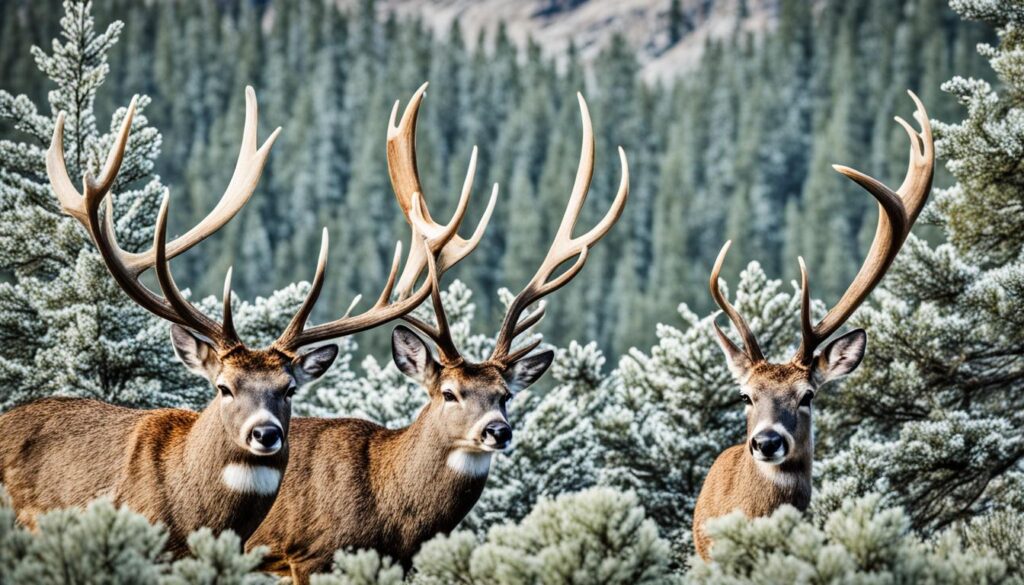
Male mule deer are known for their impressive antlers. These antlers are bifurcated, meaning they split into two main branches. But what sets mule deer antlers apart is their potential for additional points or tines branching off the main branches. This unique feature adds both complexity and size to their antlers.
Mule deer antlers can reach lengths of over 30 inches, making them quite large compared to other deer species. The size and intricacy of their antlers serve as a visual display during the mating season, attracting females and asserting dominance over other males.
In addition to their size, mule deer antlers also play a crucial role in combat during the mating season. Male mule deer engage in fierce battles to establish dominance and secure their mating rights. The branching structure of their antlers provides an advantage in these confrontations.
With their unique characteristics and impressive size, mule deer antlers are a fascinating aspect of these majestic creatures. Whether it’s their bifurcation, additional points, or sheer length, mule deer antlers are a testament to the beauty and complexity of the natural world.
Elk, also known as wapiti, are one of the largest deer species in the world. What sets male elk apart is their impressive antlers. Elk antlers have a unique palmate shape, characterized by a flat and wide structure with multiple points branching off the main beam. These antlers can grow to be quite large, with some reaching lengths of over 5 feet.
Elk antlers serve multiple purposes in the lives of male elk. During the mating season, known as the rut, male elk use their antlers to attract females and establish dominance over other males. They engage in intense battles, locking antlers and pushing against each other to demonstrate their strength and dominance.
Aside from their impressive size, elk antlers are also indicative of a male elk’s age and status. Older, more dominant males tend to have larger and more elaborately branched antlers, while younger males may have smaller and simpler antlers. The shedding and regrowth of antlers occur annually, influenced by factors such as nutrition, genetics, and the overall health of the elk.
Discover if deer will indulge in celery alongside their usual diet. Explore deer feeding habits and vegetation preferences in the wild.
Deer such as white-tailed deer and mule deer are susceptible to the viral diseases known as epizootic hemorrhagic disease (EHD). It is transmitted by biting midges, often known as no-see-ums or punkies (Culicoides spp.). EHD outbreaks often worsen as summer transitions into the fall season, which raises questions about the health of the surrounding animals….
North American elk and deer are majestic ungulates that we know. Deer and elk are both members of the Cervidae family, but they have several key differences. This article examines the similarities and contrasts of these wonderful creatures. Our study explores these extraordinary creatures’ physical traits, behavioral traits, and preferred settings to better understand them….
Explore Alaska’s wilderness and learn about the diverse deer species inhabiting the region. Unveil what deer are in Alaska and their unique habitats.
Discover which deers have antlers and explore the fascinating details of antler development, shedding seasons, and size differences in our guide.
Explore the implications of a corn diet on deer health and whether feeding them corn aligns with their natural feeding habits.