
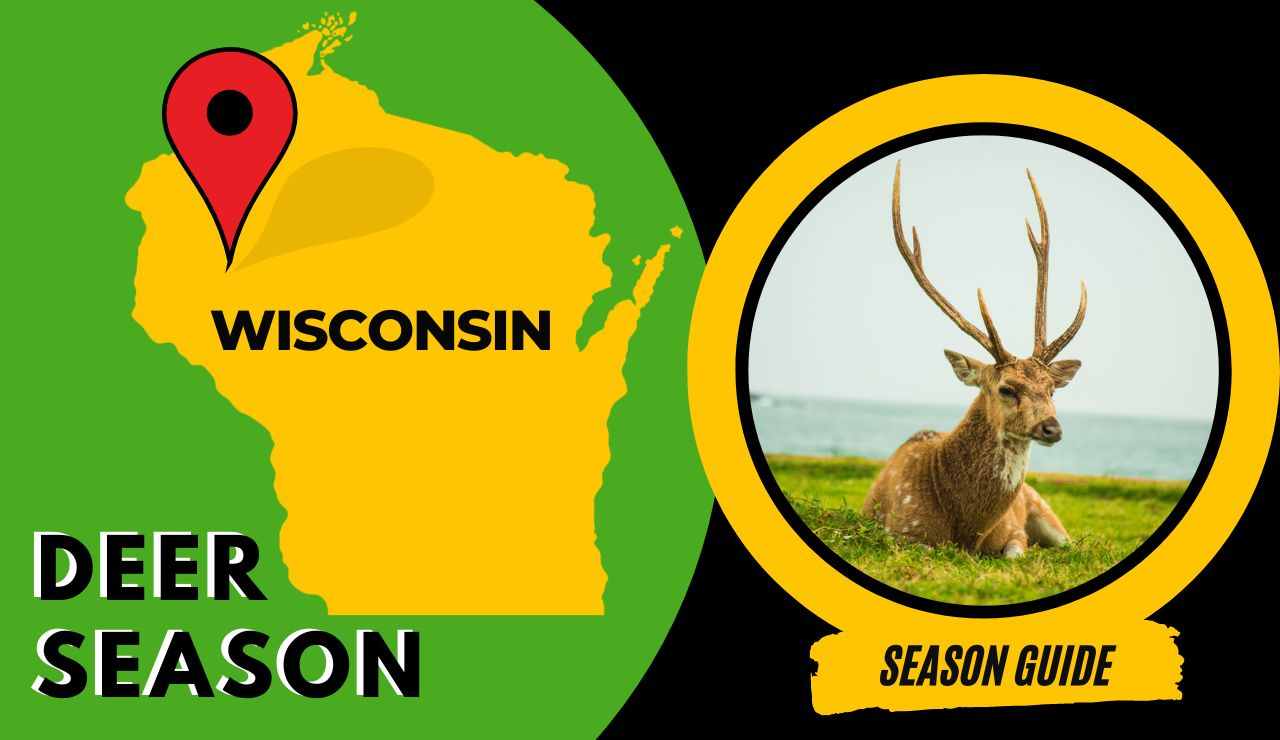
Wisconsin Deer Season 2026-2027: WI Deer Hunting Guide [Schedule, Rules, Licenses]
If you’re planning a fall trip—or just trying to make sense of Wisconsin’s whitetail calendar without bouncing between ten browser tabs—this guide is for you. Below, you’ll find the confirmed 2026–2027 dates, weapon-specific opportunities, late-year options, tag basics, zone notes, youth info, fees, and the rules that tend to trip up first-timers. We’ve also kept it readable on purpose, because nobody wants a regulations page rewritten like a tax manual.
What this guide covers
This Wisconsin guide breaks down every 2026–2027 deer opportunity on the official calendar, from the September bow opener through the holiday antlerless window in early 2027. It also explains DMUs, metro subunits, tag choices, license costs, and beginner-friendly rule reminders so you can plan a safe, legal outing without second-guessing yourself.
Quick summary table: Wisconsin deer opportunities for 2026–2027
Primary species in Wisconsin: White-tailed deer only
| Deer species | Method / opportunity | 2026–2027 dates | Notes |
|---|---|---|---|
| White-tailed deer | Archery & crossbow | Sept. 12, 2026 – Jan. 3, 2027 | Standard statewide bow/crossbow window |
| White-tailed deer | Extended archery & crossbow | Sept. 12, 2026 – Jan. 31, 2027 | Open only in metro subunits and select Farmland counties |
| White-tailed deer | Gun hunt for hunters with disabilities | Oct. 3–11, 2026 | Special sponsored-property opportunity; not a general open hunt everywhere |
| White-tailed deer | Youth deer hunt | Oct. 10–11, 2026 | For hunters 15 and younger |
| White-tailed deer | Nine-day gun hunt | Nov. 21–29, 2026 | Main firearm opener statewide |
| White-tailed deer | Gun in metro subunits only | Nov. 21 – Dec. 9, 2026 | Special metro-only firearm window |
| White-tailed deer | Muzzleloader | Nov. 30 – Dec. 9, 2026 | Follows the main gun stretch |
| White-tailed deer | December 4-day antlerless-only hunt | Dec. 10–13, 2026 | Antlerless only |
| White-tailed deer | Antlerless-only holiday hunt | Dec. 24, 2026 – Jan. 1, 2027 | Open only in select Farmland counties / DMUs |
Wisconsin deer dates at a glance 🗓️
Here’s the clean list version if that’s all you came for:
- Archery / Crossbow: Sept. 12, 2026 – Jan. 3, 2027
- Extended Archery / Crossbow: Sept. 12, 2026 – Jan. 31, 2027 (metro subunits and select Farmland counties only)
- Gun Deer Hunt for Hunters with Disabilities: Oct. 3–11, 2026
- Youth Deer Hunt: Oct. 10–11, 2026
- Gun: Nov. 21–29, 2026
- Gun in Metro Subunits Only: Nov. 21 – Dec. 9, 2026
- Muzzleloader: Nov. 30 – Dec. 9, 2026
- December 4-Day Antlerless-Only Hunt: Dec. 10–13, 2026
- Antlerless-Only Holiday Hunt: Dec. 24, 2026 – Jan. 1, 2027
A small but important note: during the antlerless-only portions, bucks are off the table for those specific hunts.
All Wisconsin deer seasons explained
1) Archery and crossbow
For a lot of hunters, this is the sweet spot. The weather is better, the woods are quieter, and you’re not dealing with the pressure-cooker feel of the November opener. Wisconsin’s standard bow and crossbow stretch runs from Sept. 12, 2026, through Jan. 3, 2027.
In metro subunits and select Farmland counties, that same opportunity continues to Jan. 31, 2027. If you like late-season food-source patterns, that extension is a big deal. Snow, cold evenings, and standing ag can make movement feel more predictable—well, “predictable” by deer standards anyway.
Tag / zone tip:
Farmland antlerless authorizations are tied to a specific DMU and land type, so don’t assume a tag bought for one place works everywhere.
2) Youth deer hunt
Wisconsin’s youth weekend lands on Oct. 10–11, 2026, and it’s one of the best beginner-friendly entries on the calendar.
This special hunt is open to residents and nonresidents age 15 and younger. A valid gun deer license is required when hunting with a firearm, and an adult 18 or older must accompany the young hunter. For kids who haven’t completed hunter education—or who are 11 and under—the mentor must stay within arm’s reach.
A nice bonus here: if a youth also has an archer or crossbow approval, they can continue using that equipment while the bow season runs alongside the youth gun weekend.
Good to know:
- Allowed in most DMUs
- Not open in state parks and certain non-quota areas
- Bag limit follows the harvest authorizations the youth holds
3) Gun deer hunt for hunters with disabilities
This special opportunity runs Oct. 3–11, 2026. It’s not a general statewide open hunt in the usual sense; it takes place on sponsor-enrolled properties.
To take part, hunters need:
- A valid gun deer license
- A qualifying Class A, B, C, or D disability permit
- A sponsoring landowner arrangement before the deadline
This hunt follows regular gun-deer-style rules on the enrolled property, including the highly visible clothing requirement. If you or someone in your group may qualify, this is one of the more meaningful access programs Wisconsin offers.
4) Nine-day gun hunt
The classic firearm opener runs Nov. 21–29, 2026.
This is the stretch most folks picture when they think of Wisconsin in late November: orange in the timber, cabins full of chili, early alarms, and somebody insisting the old family stand is still “the hot one.” Sometimes they’re right. Sometimes that stand hasn’t been hot since flip phones.
Still, if you want the most traditional experience, this is it.
Best for:
- First-time firearm hunters
- Group camps
- Hunters with limited vacation time
- Anyone who prefers a shorter, high-energy window
5) Gun in metro subunits only
A lesser-known but very useful option, the metro-only firearm window runs Nov. 21 – Dec. 9, 2026.
This is not statewide. It applies only inside designated metro subunit boundaries. If you hunt near developed areas or managed suburban edges, this can extend your practical firearm time well beyond the nine-day opener.
Why it matters:
Pressure, access, and animal movement can look very different in metro zones compared to large tracts of northern timber.
6) Muzzleloader
Wisconsin’s muzzleloader portion runs Nov. 30 – Dec. 9, 2026.
If you like a little more breathing room after the main gun rush, this can be a great window. Weather is colder, leaf cover is mostly gone, and fresh sign tends to stand out better. On the flip side, comfort becomes a gear game. Cold hands can ruin a hunt faster than bad wind.
Practical tip:
Double-check load components, ignition system, and foul-shot behavior before opening morning. Muzzleloader problems love showing up at the least convenient time.
7) December 4-day antlerless-only hunt
This short late-season opportunity is set for Dec. 10–13, 2026.
As the name says, this is for antlerless harvest only. It’s a targeted management tool and can be a solid choice for filling the freezer after the November action has tapered off.
If you’re a beginner, this is often simpler from a decision-making standpoint. You’re not judging antlers, just focusing on legal, ethical shot opportunities and correct authorization use.
8) Antlerless-only holiday hunt
The holiday hunt runs Dec. 24, 2026 – Jan. 1, 2027 and is open only in select Farmland counties / DMUs.
For 2026, Wisconsin indicates this holiday window is available in 48 counties, and 42 of those also have extended archery and crossbow dates through Jan. 31, 2027.
That’s a pretty handy combo if you enjoy very late whitetail patterns: cold weather, food-focused movement, and less overall crowding. It’s not glamorous, but it can be quietly productive.
Are there mule deer, blacktail, moose, elk, or exotic deer seasons in Wisconsin?
Short answer: no regular open deer calendar exists for those animals in Wisconsin.
For this state, the deer-focused rules are built around white-tailed deer. You won’t find open annual opportunities here for:
- Mule deer
- Black-tailed deer
- Moose
- Caribou
- Axis deer
- Sika deer
- Fallow deer
- Other non-native deer species
So if your goal is a complete Wisconsin deer list, the real answer is refreshingly simple: whitetail is the main event.
If you like comparing how neighboring states handle tags, zones, and weapon splits, our deer hunting guides by state can help you plan side-by-side.
Wisconsin late deer seasons snapshot 🌨️
| Late opportunity | Dates | Where it applies | Key note |
|---|---|---|---|
| Extended archery / crossbow | Jan. 4–31, 2027 | Metro subunits + select Farmland counties | Check unit structure before hunting |
| Metro subunit gun | Nov. 21 – Dec. 9, 2026 | Metro subunits only | Firearm option beyond the main opener |
| December antlerless-only | Dec. 10–13, 2026 | Where open under deer rules | Antlerless only |
| Holiday antlerless hunt | Dec. 24, 2026 – Jan. 1, 2027 | Select Farmland counties / DMUs | 48 counties open in 2026 |
Wisconsin deer regulations list 📌
Here are the rule points beginners most need to remember:
- Pick the correct DMU before you buy. Wisconsin manages deer by Deer Management Unit, grouped into four broader zones: Northern Forest, Central Forest, Central Farmland, and Southern Farmland.
- Wear legal blaze orange or fluorescent pink during any firearm deer period. At least 50% of outer clothing above the waist must be that color, and any hat/head covering worn must also be at least 50% visible blaze or pink.
- Register every harvested deer electronically. The deadline is 5 p.m. the day after recovery.
- Use the right authorization in the right place. Farmland and bonus antlerless authorizations are tied to zone, DMU, and land type.
- A gun buck authorization comes with a gun deer license. It allows harvest of one buck with any legal weapon during open firearm periods, except where an antlerless-only hunt is in effect.
- Junior antlerless authorization rules are different. Hunters 17 and younger get a junior antlerless authorization with each gun or archery license, valid statewide in any DMU during an open deer period with the proper weapon.
- Baiting and feeding bans can change. County-level restrictions can shift when CWD or TB detections trigger bans, so this is something to check right before you go.
- No buck harvest during antlerless-only hunts. Sounds obvious, but it’s worth repeating because late-season calendars can overlap and confuse people.
Wisconsin deer license / tag fees 🎟️
Below are the deer-related prices most hunters care about for 2026–2027.
Resident fees
| License / authorization | Fee |
|---|---|
| Gun deer | $24 |
| Archer | $24 |
| Crossbow | $24 |
| Junior gun deer (12–17) | $20 |
| Junior archer (12–17) | $20 |
| Junior crossbow (12–17) | $20 |
| Under 12 gun deer | $7 |
| Under 12 archer | $7 |
| Under 12 crossbow | $7 |
| Archer / crossbow upgrade | $3 |
| Antlerless deer carcass harvest authorization | $12 |
| Under 12 antlerless authorization | $5 |
| Conservation Patron | $165 |
Nonresident fees
| License / authorization | Fee |
|---|---|
| Gun deer | $200 |
| Archer | $200 |
| Crossbow | $200 |
| Under 12 gun deer | $7 |
| Under 12 archer | $7 |
| Under 12 crossbow | $7 |
| Archer / crossbow upgrade | $3 |
| Antlerless deer carcass harvest authorization | $20 |
| Under 12 antlerless authorization | $5 |
| Conservation Patron | $620 |
Extra money-saving notes:
- First-time buyer deer approvals are listed at $5 in several resident categories
- Some student and military options are discounted but may require in-person purchase
- Bonus antlerless authorizations go on sale starting Aug. 17, 2026, with zone-by-zone rollout beginning at 10 a.m.
Wisconsin deer license requirements
Before heading out, make sure these boxes are checked:
- Buy the proper hunting approval for your method: gun, archer, crossbow, or a combination that fits your plan.
- Hunter education is required for anyone born on or after Jan. 1, 1973, unless they are participating under Wisconsin’s mentored program.
- Acceptable proof can include a Wisconsin hunter education certificate, recognized out-of-state safety proof, an older Wisconsin license showing the safety number, or military basic training documentation.
- Hunters ages 12–13 who have completed hunter education must still be accompanied by a parent/guardian or another qualifying adult.
- Hunters under 12 may only participate through a mentored hunt setup or a qualifying DNR program.
- All youth participants need the correct licenses and harvest authorizations for the animal and method involved.
- Special disability hunt participants need both a valid gun deer license and a qualifying disability permit.
Wisconsin deer hunting FAQs
When does Wisconsin deer season open in 2026?
The first opener is archery and crossbow on Sept. 12, 2026. The main firearm opener begins Nov. 21, 2026.
What deer species can you hunt in Wisconsin?
For the regular deer calendar, Wisconsin is all about white-tailed deer.
Is there an extended late bow season in Wisconsin?
Yes. In metro subunits and select Farmland counties, bow and crossbow opportunities continue through Jan. 31, 2027.
Do I need hunter education to buy a deer license in Wisconsin?
Usually yes, if you were born on or after Jan. 1, 1973. If you haven’t completed hunter education, you may still hunt under the mentored hunting program if you meet its rules.
When do I have to register a harvested deer?
You must register it by 5 p.m. the day after recovery.
Can nonresidents hunt whitetails in Wisconsin?
Absolutely. Nonresidents can buy deer licenses, but the price is much higher than resident rates, so it pays to budget ahead.
Are holiday and late-December opportunities open everywhere?
No. The holiday antlerless window is limited to select Farmland counties / DMUs, and the extended January bow opportunity is also location-specific.
Conclusion
Wisconsin keeps things pretty straightforward once you strip away the regulation jargon: one main deer species, several weapon-based opportunities, a strong youth weekend, a classic November firearm opener, and a surprisingly useful set of late-season options. If you match your license to the right DMU, watch the land-type details on antlerless authorizations, and double-check late-year county eligibility, you’ll be in good shape.
Regulations, county openings, baiting bans, DMU structure, and quota-related details can change before opening day, so always verify final rules on the official Wisconsin DNR deer hunting page before you go.

Can you hunt with a crossbow during gun season? My grandson was told he could not hunt before or after the gun season.