Latest posts by James Ellis (see all)
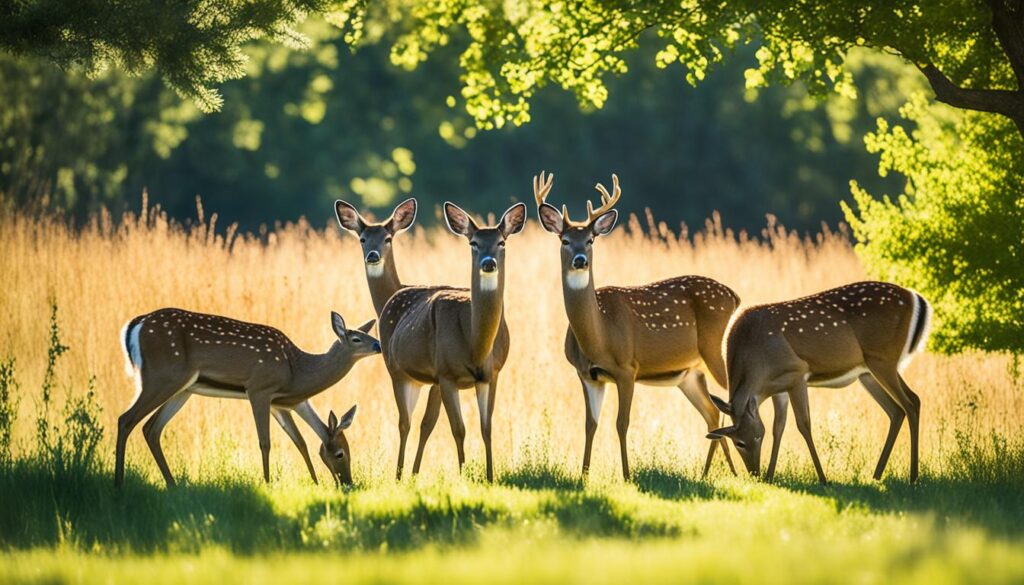
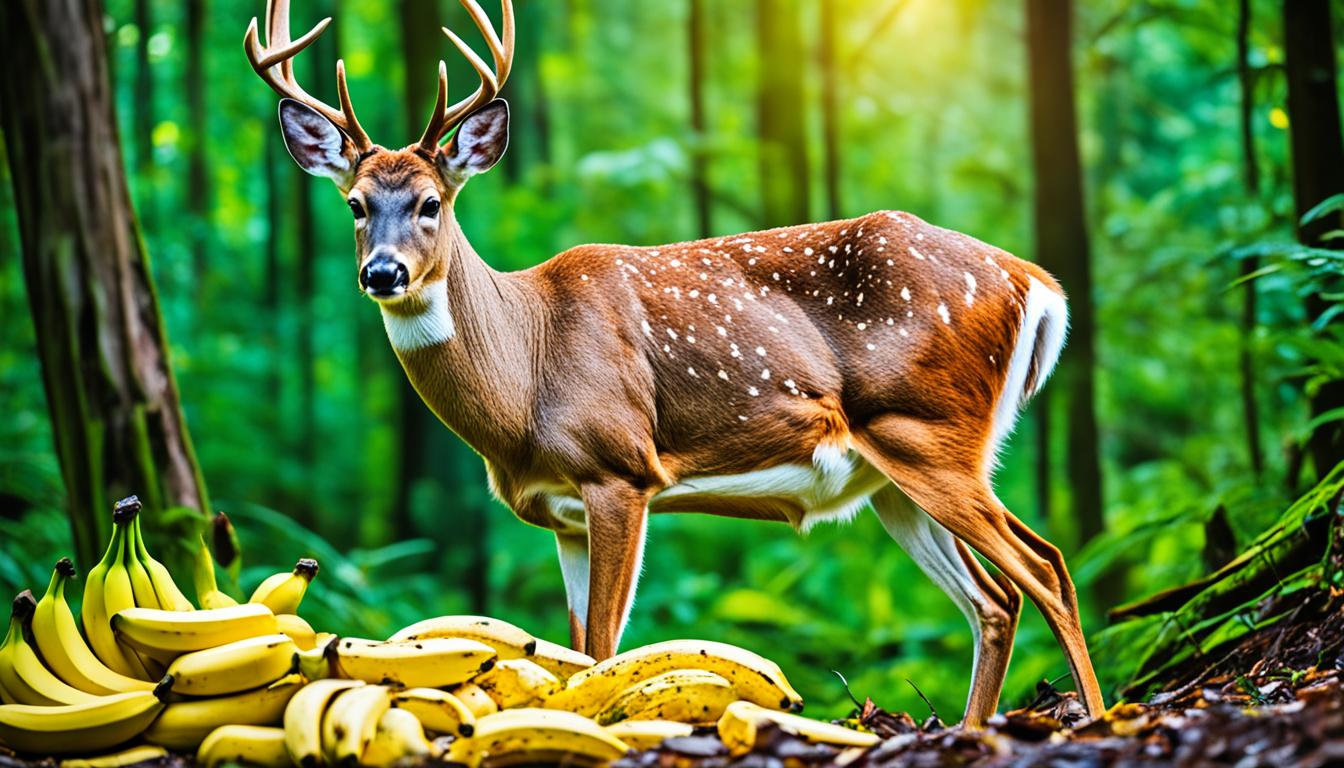
When it comes to the diet of deer, it’s essential to understand what they can and cannot eat. In this article, we will explore the question of whether deer can eat bananas, along with providing safe feeding tips for these majestic creatures. Understanding their nutritional needs is crucial for their overall health and well-being.
Content Highlights
ToggleWhen it comes to feeding deer, responsible wildlife feeding practices should be followed to ensure their health and well-being. It is essential to provide food that is nutritionally appropriate for deer, focusing on natural food sources and avoiding harmful options. By understanding the best practices for feeding deer, you can contribute to their overall welfare and conservation.
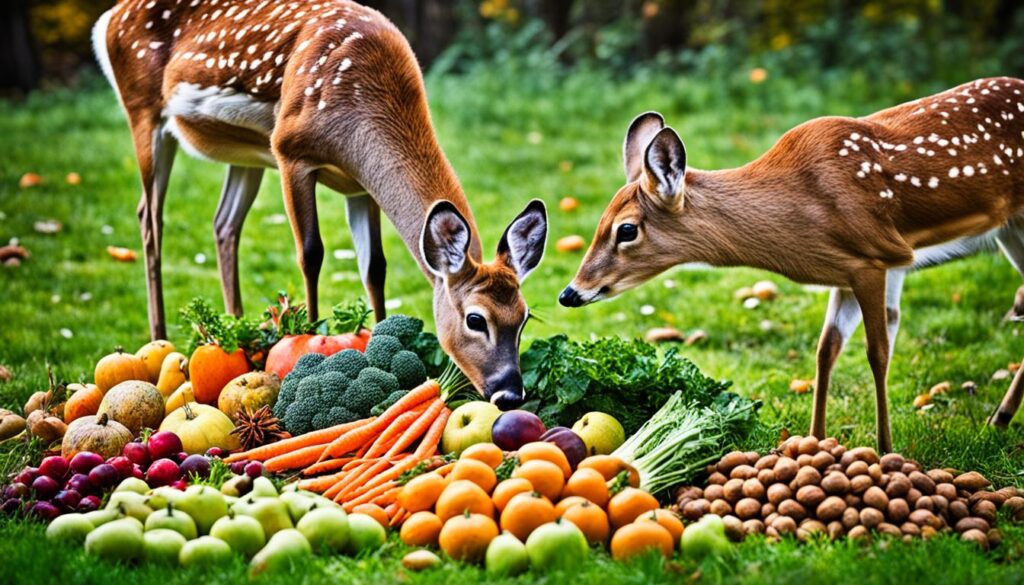
Feeding deer with nutritionally appropriate food is crucial for their optimal growth and development. Instead of relying solely on processed feed, consider incorporating fruits, vegetables, and natural plant sources into their diet. These foods provide essential vitamins, minerals, and fiber that are beneficial for deer’s overall health. Some examples of suitable natural food sources for deer include:
These natural food sources mimic the diet deer would typically find in their natural habitats. Including a variety of these options ensures a well-rounded diet for deer, promoting their overall well-being and vitality.
While corn is a commonly available food source, it is not suitable for deer. Feeding deer corn can be challenging for them to digest, potentially causing stomach issues and compromising their health. It is essential to avoid feeding deer corn and prioritize the use of natural food sources instead.
Feeding deer during the winter months, when their natural food sources become scarce, can be especially beneficial. This is a time when deer struggle to find sufficient nourishment, and providing supplemental food can help them survive harsh conditions. By offering appropriate food options during winter, you can support deer populations and aid in their conservation efforts.
To summarize, responsible wildlife feeding practices for deer involve providing nutritionally appropriate food, avoiding harmful options like corn, and offering supplementary food during the winter months. By following these best practices, you can contribute to deer’s overall health and well-being while respecting their natural foraging behaviors.
In addition to bananas and natural food sources, there are other food options available for feeding deer.
These include formulated deer food mixes, which can be found at feed mills or pet supply stores. These mixes typically contain a combination of alfalfa, oats, soybeans, molasses, and vitamins and minerals.
Supplementing deer food mixes with oats and fresh produce, such as apples, grapes, carrots, and snap peas, can provide additional nutrition.
It is important to note that feeding deer corn is not recommended, as it can be difficult for them to digest. Instead, consider using manufactured deer food that contains a high quantity of oats, which is a principal ingredient for deer during winter.
| Food Options | Description |
|---|---|
| Formulated Deer Food Mixes | A combination of alfalfa, oats, soybeans, molasses, and vitamins and minerals. Can be found at feed mills or pet supply stores. |
| Oats | A principal ingredient for deer during winter. Can be fed on its own or mixed with other food options. |
| Fresh Produce (e.g., apples, grapes, carrots, and snap peas) | Supplements deer food mixes and provides additional nutrition. Ensure fruits and vegetables are fresh and not spoiled. |
Feeding deer corn is not recommended, as it can be difficult for them to digest.

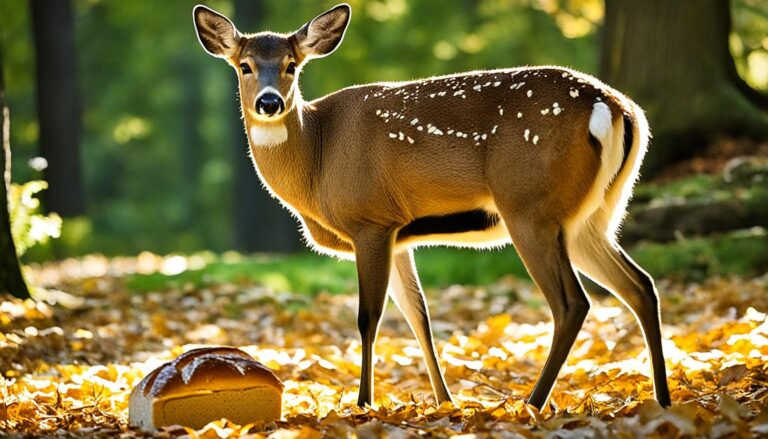
In conclusion, deer can eat bananas as part of their diet. These fruits provide a natural and delicious food source for deer, but it is important to feed them responsibly. When feeding deer bananas, ensure that they are liquefied to prevent any choking hazards. Feeding deer should be done in moderation and with consideration for their natural foraging behaviors.
It is crucial to provide a balanced and nutritious diet for deer to maintain their overall health and well-being. In addition to bananas, offering natural food sources like acorns, grasses, leaves, and shrubs is important for providing varied nutrition.
Avoid feeding deer corn, as it can be difficult for them to digest. Instead, consider using manufactured deer food mixes that contain a high quantity of oats, which is a principal ingredient for deer during winter. Remember to always follow local regulations and guidelines regarding wildlife feeding, and consult with wildlife experts or rehabilitators if necessary. By being responsible in deer feeding practices, we can help ensure the welfare of these magnificent creatures.
Explore the fascinating feeding habits of deer and find out if your autumn pumpkins are a treat for these wildlife wanderers. Will deer eat pumpkins? Learn here.
Have you ever wondered, what is the difference between a roe deer and a fallow deer? Roe deer and fallow deer, two distinct members of the deer family, share the lush forests and wide-open meadows of Europe and many other areas across the globe. Although these two species may seem to be quite similar at…
Explore the world of spotted deer and discover which deer have spots. Dive into a realm of diverse deer species marked by unique beauty.
Deer such as white-tailed deer and mule deer are susceptible to the viral diseases known as epizootic hemorrhagic disease (EHD). It is transmitted by biting midges, often known as no-see-ums or punkies (Culicoides spp.). EHD outbreaks often worsen as summer transitions into the fall season, which raises questions about the health of the surrounding animals….
Discover if deer will eat hay and how it fits into their diet. Learn about their foraging habits, hay as deer feed, and overall deer nutrition needs.
Wondering, “What is a piebald deer?” It’s a deer that exhibits a fascinating genetic condition known as piebaldism. Few things in the captivating realm of nature can catch the mind like the piebald deer. Both hunters and nature lovers have always been fascinated and intrigued by these magnificent animals because of their distinctive coat patterns…