Colorado Deer Season 2026-2027 Like Never Before ! [When and Where to Hunt]
If you’re planning a fall trip out West, this guide pulls together the official 2026–2027 deer dates, tag basics, species notes, GMU tips, late opportunities, fees, and must-know rules in one easy read. We’ve kept it beginner-friendly, skipped the jargon where possible, and focused on what actually helps when you’re trying to plan a real hunt—not just skim a regulations PDF. If you also like comparing neighboring Western setups, our state-by-state deer hunting guides can help you spot differences in timing and tag strategy.
Why this state is such a big deal for deer hunters
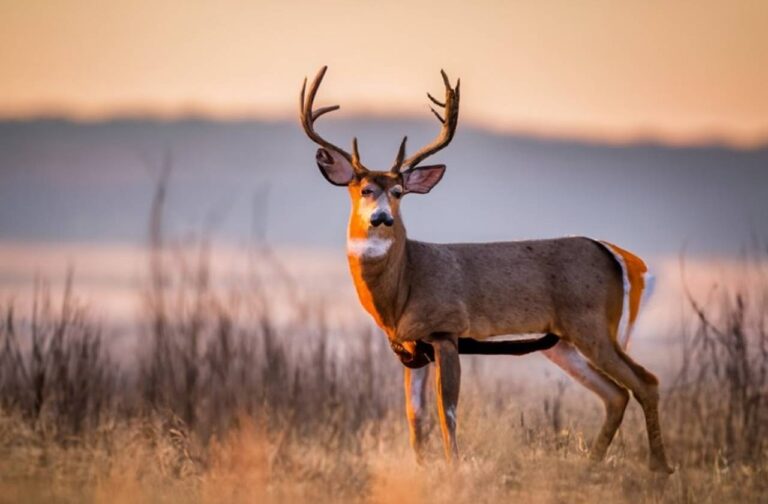
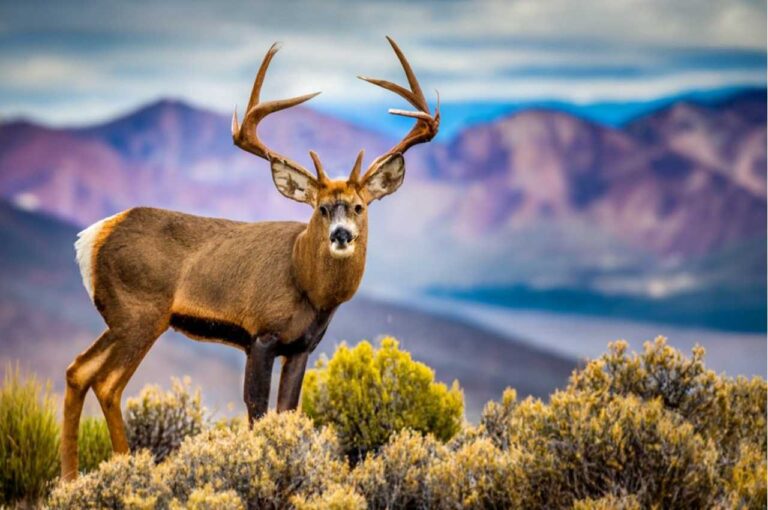
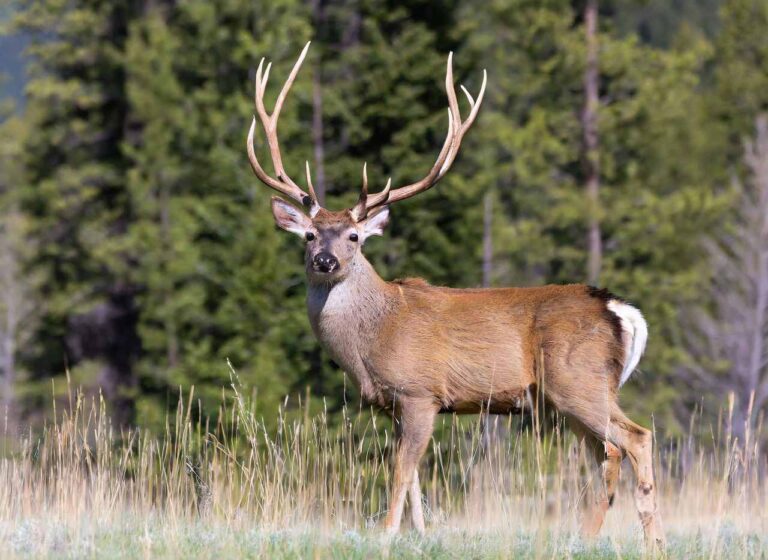
This is classic mule deer country, with pockets of white-tailed opportunity that matter a lot more than first-time visitors sometimes realize. The big thing to know up front: dates are often shaped by GMU, hunt code, and whether you’re hunting the mountains, the plains, or private land. So think “unit first, county second.” That little mindset shift saves a lot of confusion later.
Quick summary table: key deer species, dates & methods
| Deer species | Main 2026 opportunity windows | Common methods | Where it shows up most |
|---|---|---|---|
| Mule Deer | Sept. 2–30; Sept. 12–20; Oct. 14–18; Oct. 24–Nov. 1; Nov. 7–15; Nov. 18–22 | Archery, muzzleloader, rifle | Mountain and foothill GMUs, plus some private-land options |
| White-Tailed Deer | Plains archery splits Oct. 1–23, Nov. 4–30, Dec. 15–31; plains muzzleloader Oct. 10–18; plains rifle Oct. 24–Nov. 3; late plains Dec. 1–14; select late whitetail Jan. 1–15, 2027 | Archery, muzzleloader, rifle, some OTC any-legal-method options | Mostly east of I-25 and select plains/front-range units |
| Private-Land-Only deer opportunities | Aug. 15, 2026–Jan. 31, 2027 (depends on hunt code) | Usually rifle or season-choice private-land formats | Select private properties and qualifying units |
| Urban/special management deer | Aug. 15–Oct. 15, 2026 in GMU 84 | Rifle by specific hunt code | Highly specific, tightly managed local area |
Colorado deer dates for 2026–2027: full season list
Below is the cleanest practical overview of the official 2026 deer calendar. Always match your exact hunt code before buying or applying, because some unit-level exceptions do exist.
1) Regular archery deer
- September 2–30, 2026
This is the classic early-fall bow window and one of the most appealing choices for hunters who want more time in the field and lighter pressure than later rifle periods. In much of the western portion of the state, this is a core mule deer timeframe.
2) Muzzleloader deer
- September 12–20, 2026
This nine-day stretch lines up with one of the prettiest times of year to be in the high country. It’s short, focused, and popular with hunters who like a traditional setup but still want a good-weather window.
3) High-country deer
- September 12–20, 2026
This overlaps the muzzleloader window in select high-elevation or wilderness-oriented areas. If you’re new to Western public land, this is the sort of hunt that looks dreamy in photos and feels very different once you’re huffing uphill at daylight—beautiful, yes, but definitely earn-your-dinner country.
4) First rifle deer
- October 14–18, 2026
This is a shorter five-day setup and deer availability can be unit-specific. Not every hunter needs this one on the first pass, but it matters if your planning revolves around limited rifle tags or specific migration timing.
5) Second rifle deer
- October 24–November 1, 2026
This is one of the best-known rifle windows and often the one nonresidents first look at. Weather, access, and pressure can change the feel of this hunt fast, so it’s smart to treat the calendar as only half the story.
6) Third rifle deer
- November 7–15, 2026
By this point, conditions often feel more “serious,” and that can be a good thing if you’re targeting migration movement or simply prefer late-fall rifle timing.
7) Fourth rifle deer
- November 18–22, 2026
A compact late rifle opportunity. It’s short, but for the right unit and weather pattern, short does not mean weak.
8) Plains archery deer
Official dates can appear in split blocks depending on the unit and how CPW avoids overlap with rifle periods:
- October 1–23, 2026
- November 4–30, 2026
- December 15–31, 2026
In some hunt codes, CPW may use slightly different split combinations, such as:
- October 1–23 and November 4–December 31
- October 1–November 30 and December 15–31
That’s the sort of detail that makes hunters mutter at their screens—so yes, double-check the exact code before finalizing travel.
9) Plains muzzleloader deer
- October 10–18, 2026
This applies to plains-style deer opportunities east of I-25.
10) Plains rifle deer
- October 24–November 3, 2026
This is distinct from the regular nine-day second rifle framework in other parts of the state, so don’t assume a plains hunt follows the same exact calendar as the mountain rifle structure.
11) Late plains rifle deer
- December 1–14, 2026
Now we’re into the late part of the calendar—the kind of window that can be very worthwhile if you like colder weather, focused planning, and selective unit choices.
12) Late plains whitetail-only
- December 1–14, 2026
- January 1–15, 2027 in select units/hunt codes
This is one of the easiest dates to miss if you’re only scanning the broad-season framework. If your target is a whitetail-focused plains trip, this late option deserves a hard look.
13) Early rifle deer in select areas
Some special deer rifle dates appear in specific units:
- September 5–13, 2026
- September 12–20, 2026
- September 29–October 7, 2026
These are not blanket statewide opportunities. They are tied to specific GMUs and hunt codes, so treat them as specialty entries rather than default statewide options.
14) Urban deer management
- August 15–October 15, 2026 in GMU 84 under a specific hunt code
Very specialized, tightly managed, and not a casual substitute for regular mountain or plains planning.
15) Private-land-only deer
- August 15, 2026–January 31, 2027 within applicable hunt-code limits
This is broad as a framework, but actual access and license structure matter a lot. In plain English: long window, but not a free-for-all.
Species notes: mule deer, whitetails, and what you won’t find
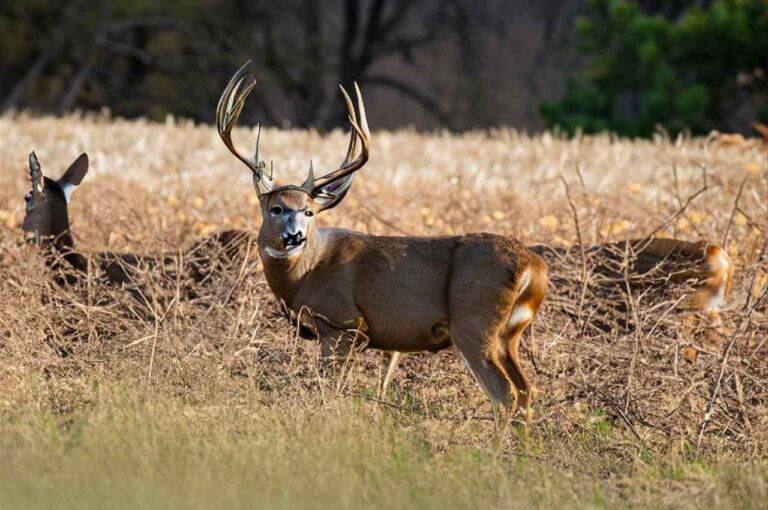
For practical trip planning, think of this as a mule deer-first state with meaningful white-tailed pockets. The OTC page specifically highlights white-tailed deer for over-the-counter opportunity, while the broader deer framework covers the state’s standard big-game deer structure. There is no separate public framework here for black-tailed deer, caribou, or exotic deer like axis, fallow, or sika. So if you’re building a deer-only page, keep it centered on muleys and whitetails rather than padding the article with unrelated species.
Late deer season snapshot
| Late opportunity | Dates | Best use case |
|---|---|---|
| Late plains rifle | Dec. 1–14, 2026 | Good for hunters who prefer colder-weather movement windows |
| Late plains whitetail-only | Dec. 1–14, 2026 and Jan. 1–15, 2027 | Best for whitetail-focused plains planning |
| Private-land-only windows | Up to Jan. 31, 2027 depending on hunt code | Useful if you have legal access lined up in advance |
Deer regulations list you should not skip
Here’s the stuff beginners miss most often:
- Hunter education is required for anyone born on or after January 1, 1949 before buying or applying for a license.
- For the big game draw, you need valid ID, a Social Security number or taxpayer ID, completed hunter education, a qualifying license, and a habitat stamp if you’re age 18–64.
- OTC licenses do not require a qualifying license.
- During firearm hunts, you generally need at least 500 square inches of solid fluorescent orange or pink above the waist, plus a matching hat or head covering visible from all directions.
- That orange/pink rule also applies to muzzleloader hunters, and to archers hunting during rifle overlaps.
- Party hunting is illegal. One hunter cannot take an animal on another person’s license.
- Youth must generally be 12–17 to purchase OTC big-game permits, and big-game hunters must be at least 12 to hunt.
- A portion of limited antlerless and either-sex deer licenses is set aside for youth in the draw.
- Group applications are allowed, but everybody must match on species, unit, method, and hunt-code order—if one application is wrong, the entire group can be disqualified.
Deer license and tag fees
Here are the clearest official deer-related prices publicly shown for 2026:
| License / fee item | Resident | Youth resident | Nonresident adult | Nonresident youth |
|---|---|---|---|---|
| White-tailed Deer OTC | $47.91 | $18.45 | — | — |
| White-tailed Deer/Fishing Combo OTC | — | — | $481.52 | $122.91 |
| Annual Habitat Stamp | $12.47 | same if required | $12.47 | same if required |
A couple of important notes:
- Nonresident big-game permits are often sold as a big-game/fishing combo.
- Public pricing shown most clearly on CPW’s OTC page is for white-tailed deer.
- Final out-the-door totals can include the standard surcharges CPW lists with license sales.
- If you’re chasing a limited mule deer tag through the draw, verify the exact current total in CPWShop before checkout.
Deer license requirements
If you want a clean checklist, here it is:
- Choose your route: draw tag, leftover tag, landowner voucher, or OTC whitetail where available.
- Confirm your GMU and hunt code before spending money.
- Complete hunter education if required by age law.
- Buy a qualifying license first if you’re applying for a limited deer permit.
- Buy a habitat stamp if you’re 18–64 and don’t already have one for the license year.
- Watch leftover sale timing if you miss the draw—CPW says leftover limited licenses go on sale August 4, 2026.
- Use the official map tools to check boundaries, access, and unit-specific restrictions before you travel.
Honestly, this is where a lot of folks make expensive mistakes. Not in the field—in the planning tab of their browser.
Helpful planning notes for zones and maps
In this state, “where” matters almost as much as “when.” Western mountain units and eastern plains units can operate under very different date structures, especially for white-tailed opportunities, split archery windows, and late rifle options. If you’re doing public-land trip prep, the smartest move is to pair the unit listed on your hunt code with the official Colorado Hunting Atlas and then work backward into access, elevation, and private/public boundaries.
Colorado deer hunting FAQs
Can you hunt deer over the counter in Colorado?
Yes—white-tailed deer has OTC opportunity for any legal method of take in certain areas, and CPW notes OTC deer availability especially in eligible whitetail setups. Not every deer hunt is OTC, though; many of the better-known opportunities remain limited by draw or unit.
Are mule deer and white-tailed deer both available?
Yes. From a planning standpoint, mule deer are the headline animal across much of the state, while white-tailed opportunities become especially relevant in the plains and select OTC situations.
Do I need a qualifying license to apply for a deer tag?
Yes, if you’re entering the limited-license draw. No, if you’re buying OTC or a leftover license.
What orange or pink is required?
For firearm hunting, plan on 500 square inches of solid fluorescent orange or pink above the waist, plus a visible hat or head covering in the same safety color.
When is the latest deer hunting date in the 2026–2027 cycle?
For published deer dates, one of the latest select opportunities runs to January 15, 2027 for late plains whitetail-only hunts in certain units. Some private-land-only deer frameworks can extend to January 31, 2027, depending on the hunt code.
Is this a good state for beginner deer hunters?
Yes—but only if you’re organized. It rewards planning. If you like public-land research, careful unit picking, and learning a map before you learn a mountain the hard way, it can be a fantastic place to start.
Conclusion
Colorado’s 2026–2027 deer calendar is broad, but the pattern is pretty simple once you break it down: early archery in September, muzzleloader in mid-September, structured rifle windows from mid-October through late November, then plains and whitetail-focused late options into December and January. The real key is matching your species, GMU, and hunt code before you apply or buy. Do that, and the rest of the planning gets much easier.
Regulations, quotas, access rules, and hunt-code details can change, so always verify your final plan with Colorado Parks and Wildlife’s official deer and big-game resources before applying, purchasing, or heading into the field.